
Poor Posture Symptoms in Children: Signs Every Parent Should Know

Quick Parent Checklist – Watch for These Signs:
- Head positioned forward of shoulders (tech neck)
- Rounded, slouched upper back
- One shoulder or hip sitting higher than the other
- Frequent complaints of headaches or “growing pains”
- Low energy or unusual fatigue
These are poor posture symptoms in children, and they matter more than most parents realize.
At Tinker Family Chiropractic in Mt. Juliet, we see kids every week whose bodies are already showing signs of structural stress – often before age 10. The good news? Early intervention can completely reverse these patterns before they become permanent.
Let’s walk through what to watch for and why catching these signs early protects your child’s long-term health.
What Does Poor Posture Look Like?
The “Forward Head” (Tech Neck)
Stand beside your child while they’re relaxed. Draw an imaginary line from their ear straight down. Does it line up with their shoulder, or does their head sit inches forward?
Forward head posture – commonly called “tech neck” – happens when kids spend hours looking down at devices. For every inch the head moves forward, it adds 10 pounds of extra stress on the neck.
What this looks like:
- Chin jutting forward
- Ears in front of shoulders
- Neck constantly craning downward
- Upper back rounding to compensate
Rounded Shoulders
The classic slouch. Shoulders roll forward, upper back curves excessively, chest collapses inward.
This pattern develops from prolonged sitting, weak core muscles, and repetitive forward-leaning activities (homework, gaming, tablet use).
It’s not laziness – it’s structural adaptation to their environment.
Uneven Shoulders or Hips
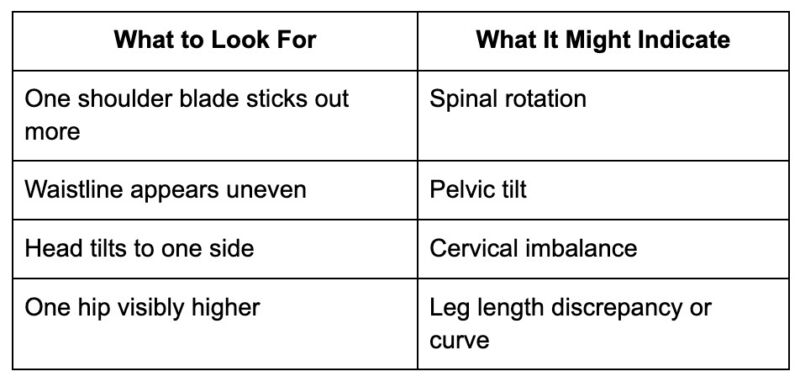
Stand behind your child. Are their shoulders level? Do their hips sit even?
Asymmetry often signals early scoliosis or functional imbalances that can progress if ignored. Simple home check:
The “W-Sitting” Habit
Does your child sit on the floor with their knees bent and feet splayed out to the sides (forming a “W” shape)?
This position signals weak core stability and hip dysfunction. While it feels comfortable to kids, it creates long-term problems with hip development and spinal alignment.
Encourage cross-legged or side-sitting positions instead.
Hyper-Lordosis
An excessive curve in the lower back creates the appearance of a protruding belly – even in thin children.
This happens when weak abdominal muscles and tight hip flexors pull the pelvis forward, exaggerating the lumbar curve.
It’s not about weight – it’s structural misalignment.
Physical & Behavioral Symptoms: The “Hidden” Poor Posture Symptoms in Children
Beyond what you can see, poor posture symptoms in children often show up as physical complaints parents don’t immediately connect to alignment issues.
Frequent Headaches
School-aged children shouldn’t have regular headaches. When they do, poor posture is often the culprit.
Forward head posture creates chronic tension at the base of the skull. Muscles work overtime to hold the head up, leading to tension headaches that over-the-counter medication only temporarily masks.
Growing Pains or Back Aches
“Growing pains” have become a catch-all excuse for childhood discomfort. But here’s the reality: growth itself shouldn’t cause chronic pain.
If your child regularly complains about back pain, leg aches, or muscle soreness – especially after sitting at school all day – that’s a red flag for postural stress, not normal development.
Fatigue and Low Energy
Poor posture literally drains energy. When the body fights gravity all day due to misalignment, it exhausts muscles and nervous system resources.
Kids with chronic poor posture often seem:
- Tired despite adequate sleep
- Low energy compared to peers
- Easily fatigued during physical activity
- Reluctant to participate in active play
Digestive and Respiratory Issues
A collapsed ribcage from slouching compresses internal organs. This affects both breathing capacity and digestive function.
Children with severe postural problems may experience:
- Shallow breathing patterns
- Reduced lung capacity
- Constipation or sluggish digestion
- Feeling “winded” more easily
The connection isn’t obvious, but structure affects function – always.
The Modern Culprits: Why Posture Is Declining Earlier
The “Tablet Generation”
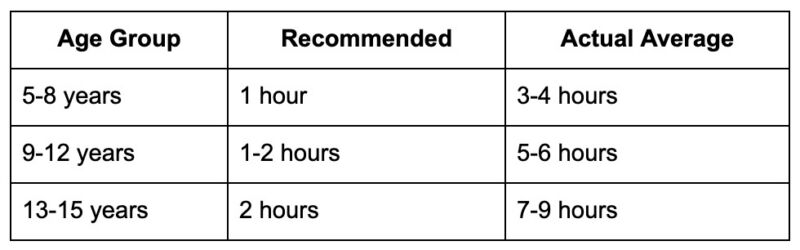
Today’s kids develop postural problems younger than any previous generation. The reason? Screen time.
Tablets, phones, and gaming devices create repetitive forward-head positioning during critical developmental years. The cervical spine literally remodels around these positions.
Average daily screen exposure:
Heavy Backpacks
School backpacks often exceed safe weight limits – sometimes 20-30% of a child’s body weight.
Carrying excessive weight forces the body to lean forward, straining the spine and creating compensation patterns that persist even when the backpack comes off.
Safe backpack guidelines:
- Maximum 10-15% of child’s body weight
- Both straps worn (never one-shoulder carrying)
- Pack positioned high on back
- Hip belt used when available
Sedentary Habits
Modern kids spend less time in active, exploratory play that naturally builds core strength and body awareness.
Lack of “tummy time” in infancy, reduced crawling opportunities, and minimal unstructured outdoor play all contribute to underdeveloped postural muscles.
The fix isn’t just “sit up straight” – it’s creating opportunities for movement that develops natural strength and coordination.
How Pediatric Chiropractic Helps
Gentle Pediatric Adjustments
“Isn’t chiropractic too aggressive for kids?” That’s the most common parent concern we hear at our chiropractor Mt. Juliet, TN practice.
The truth: pediatric adjustments are nothing like adult care. We use gentle, age-appropriate techniques – often no more pressure than you’d use to test a tomato’s ripeness.
What pediatric care looks like:
- Light-touch adjustments
- No forceful manipulation
- Age-appropriate positioning
- Play-based cooperation
- Parent present throughout
Functional Movement Exercises
We don’t just adjust and send kids home. We retrain movement patterns through specific exercises that rebuild the brain-to-body connection.
These aren’t boring physical therapy drills. We make it fun – balance games, core challenges, coordination activities that kids actually enjoy.
See more: Pediatric Chiropractic Benefits: How Gentle Care Supports Your Child’s Health & Development
Schedule a Pediatric Posture Screening
Recognizing poor posture symptoms in children is the first step. Taking action is what protects your child’s future.
At Tinker Family Chiropractic, we specialize in pediatric structural correction. We help kids develop healthy spinal alignment during their critical growth years – preventing problems rather than treating them decades later.
Your child’s posture today determines their spinal health tomorrow. The slouch you’re seeing now won’t fix itself. It will progressively worsen unless addressed with specific structural intervention.
Ready to give your child the advantage of proper spinal development? Call our office now or book online to schedule a comprehensive pediatric posture screening at Tinker Family Chiropractic today
$69
Exam + X-Rays
Once you qualify for care, the doctor will go over the next steps, and any cost associated with care before moving forward.