
How to Relieve Pelvic Pain During Pregnancy: A Complete Guide to Relief
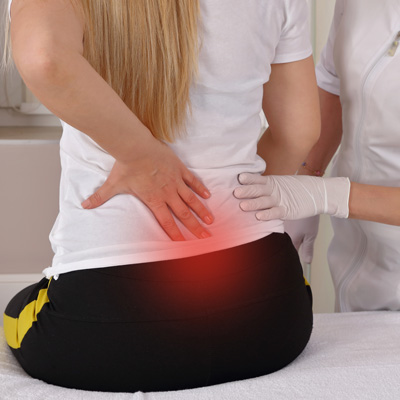
Learning how to relieve pelvic pain during pregnancy can transform your experience from barely surviving to actually enjoying these precious months. At Tinker Family Chiropractic, we specialize in prenatal care that addresses the root causes of pregnancy-related discomfort.
This complete guide covers everything from understanding what’s causing your pain to practical at-home strategies and professional treatments that actually work.
7 Effective Ways to Relieve Pelvic Pain During Pregnancy at Home
1. Master “Smart Body Mechanics”
How you move matters more than you realize. Small changes in daily movements dramatically reduce pain.
Getting in/out of bed:
- Keep knees together
- Roll to side first, then push up with arms
- Never twist at the waist
Getting in/out of car:
- Sit first with knees together
- Swivel both legs in at once
- Use a plastic bag on seat to make pivoting easier
2. The Best Sleeping Positions for Pelvic Support
Side sleeping with proper support is crucial for how to relieve pelvic pain during pregnancy.
Optimal sleep setup:
- Sleep on your left side (improves circulation)
- Place pillow between knees
- Add pillow under belly for support
- Small pillow behind back prevents rolling
This keeps your pelvis neutral and reduces stress on SI joints and pubic symphysis.
3. Supportive Gear: When to Use a Pelvic Support Belt
Pelvic support belts provide external stability when your ligaments can’t. They’re especially helpful for:
- Walking longer distances
- Standing for extended periods
- Active days with lots of movement
Wear the belt low – around your hips, not your belly. It should feel snug but comfortable.
Mens et al. (2006) in BMC Pregnancy and Childbirth found that pelvic belts significantly reduced pain and improved function in women with pregnancy-related pelvic pain.
4. Temperature Therapy: Balancing Ice and Heat
Ice: Use for acute flare-ups (sharp, sudden pain)
- 15-20 minutes on affected area
- Reduces inflammation
- Best for pubic symphysis pain
Heat: Use for chronic aching (dull, persistent discomfort)
- Warm bath or heating pad
- Relaxes tight muscles
- Best for lower back and hip pain
Never apply heat or ice directly to skin – always use a barrier.
5. Pelvic Floor Friendly Exercises
Gentle movement helps more than complete rest. Focus on exercises that maintain strength without aggravating pain.
Safe exercises:
- Pelvic tilts (standing or on hands/knees)
- Cat-cow stretches
- Squats with support
- Side-lying leg lifts (small range)
- Gentle prenatal yoga
Avoid:
- Wide leg positions
- Deep squats without support
- High-impact activities
- Exercises that increase pain
6. Posture Correction: Finding Your Neutral Spine
Pregnancy shifts your center of gravity forward, causing excessive lower back arch. This worsens pelvic pain.
Finding neutral spine:
- Stand with back against wall
- Slide hand behind lower back
- Adjust pelvis until hand fits snugly (not too arched, not too flat)
- Practice maintaining this throughout day
Good posture reduces stress on pelvic joints by distributing weight evenly.
7. Active Rest: Why “Too Much” Bed Rest Can Hurt You
Complete bed rest weakens muscles and worsens pain long-term. You need balance – rest when needed, but stay gently active.
Smart resting:
- Take frequent short breaks vs. one long rest
- Change positions every 30-45 minutes
- Gentle walking even on painful days
- Listen to your body’s signals
Professional Treatment: The Role of Prenatal Chiropractic Care
Prenatal chiropractic is a specific chiropractic adjustment designed for pregnant women. It addresses sacral misalignment and pelvic imbalance.
At our chiropractor Mt. Juliet, TN practice, we’re certified in Prenatal chiropractic and use it as a primary tool for how to relieve pelvic pain during pregnancy.
- Balances pelvic bones and sacrum
- Reduces tension on pelvic ligaments
- Relieves nerve interference
- Creates optimal space for baby
- Reduces uterine constraint
Complementary Therapies: Massage and Physical Therapy
Prenatal massage:
- Reduces muscle tension
- Improves circulation
- Promotes relaxation
- Best when combined with chiropractic
Physical therapy:
- Strengthens stabilizing muscles
- Teaches proper movement patterns
- Provides exercise modifications
- Complements structural correction
The best results come from combining these approaches rather than relying on one alone.
Next Steps
Understanding how to relieve pelvic pain during pregnancy empowers you to take control of your comfort. You don’t have to accept pain as an inevitable part of pregnancy.
At Tinker Family Chiropractic, we specialize in prenatal care that provides real relief. Our technique certified adjustments combined with practical guidance help you enjoy pregnancy instead of enduring it.
Schedule a prenatal chiropractic consultation today. Let’s assess your pelvic alignment, identify what’s causing your pain, and create a personalized care plan that supports you through pregnancy and beyond.
$69
Exam + X-Rays
Once you qualify for care, the doctor will go over the next steps, and any cost associated with care before moving forward.