
Pregnancy Sciatica Relief Without Medication: Safe Tips
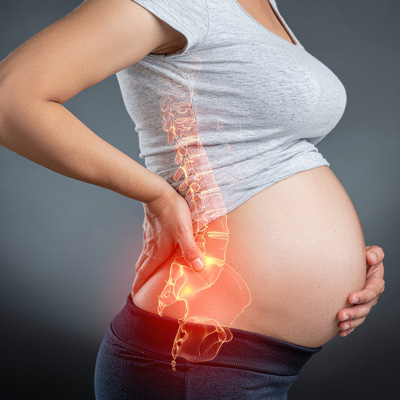
Pregnancy is an exciting time, but it can also bring some unexpected aches. One of the most common is pregnancy sciatica, a condition that develops when the sciatic nerve becomes irritated or compressed during pregnancy.
The discomfort often starts in the lower back and travels through the hips, buttocks, and down one leg. For some women, it is a mild annoyance. For others, it can make walking, sleeping, and everyday activities much more difficult. Understanding the causes of pregnancy sciatica and the available treatment options can help you manage symptoms more effectively throughout pregnancy.
What Causes Sciatic Nerve Pain During Pregnancy?
A few normal changes in your body can press on the nerve.
Growing Baby and Added Weight
As your baby grows, the added weight places more stress on the lower back and pelvis. This can increase pressure on the sciatic nerve and surrounding tissues.
Changes in The Pelvis and Ligaments
Pregnancy hormones loosen your ligaments to get the body ready for birth. That can leave the pelvis less stable and put stress on nearby nerves. The pelvis may also shift a little as your body adapts, which adds to the pressure.
Tight Muscles
The piriformis, a muscle deep in the buttock, sits right next to the nerve. When it tightens up, it can squeeze the nerve and cause that familiar ache.
Changes in Posture
As your belly grows, your posture shifts to keep you balanced. That puts extra load on the lower back and hips, which can make the pain worse.
Common Symptoms of Sciatica in Pregnancy
Symptoms look a little different for everyone. Some moms feel mild twinges, while others deal with sharper pain. Common signs include:
- Sharp or shooting pain down one leg
- An ache in the lower back
- Pain through the buttock and back of the leg
- Tingling or numbness in the hip or leg
- Weakness in the affected leg
- Trouble standing up after sitting
While not every woman experiences pregnancy sciatica, symptoms often become more noticeable during the second and third trimester.
Pregnancy Sciatica Relief Without Medication
Here is the reassuring part. Several gentle options can ease the pain, and none of them involve medication.
Gentle Stretching
Gentle stretching can help loosen tight muscles, improve flexibility, and reduce tension around the sciatic nerve. Many women find that stretches targeting the hips, hamstrings, and piriformis muscles help reduce discomfort.
Prenatal Yoga
Prenatal yoga adds gentle movement built for expecting moms. Most poses focus on pelvic mobility, hip flexibility, posture, and core support, which can ease tension and make daily movement feel more comfortable.
Apply Heat Safely
A warm compress on the sore area can relax tight muscles and improve circulation for short term comfort. Keep the heat gentle, and never place a heating device on your belly.
Prenatal Massage
A massage therapist trained in prenatal care can help ease the muscle tension that often comes with pregnancy. Prenatal massage may also promote relaxation and improve overall comfort. Always choose a professional who has experience working with expecting moms.
A Pregnancy Support Belt
A support belt lifts and steadies your growing belly, which takes strain off the lower back and pelvis. The added support can make standing, walking, and other daily activities more comfortable.
Can Physical Therapy Help?
Yes. Physical therapy is often a great fit during pregnancy. A therapist can build you a custom routine of stretches and strengthening moves, teach you better movement habits, and guide your posture. The result is less discomfort and steadier, healthier movement as you go.
How Chiropractic Care May Help
Many moms also turn to chiropractic care for natural support. Pregnancy brings big changes to the spine and pelvis, and when those areas get stiff or shift out of place, the nerve can come under extra pressure.
A chiropractor trained in prenatal care checks how your spine and pelvis are moving to find what might be driving the pain. Better alignment and movement may support healthier nerve function and ease strain on the tissues around it. The techniques used for expecting moms are gentle and quite different from regular adult care.
Tips for Managing Sciatica Day to Day
Small daily habits can make a big difference.
Avoid Sitting Too Long
Staying in one position for too long can increase stiffness and discomfort. Change positions regularly and take short walks throughout the day.
Sleep with Support
Lie on your side and place a pillow between your knees. This can help reduce strain on the lower back and improve comfort while you sleep.
Use Good Body Mechanics
Avoid sudden twisting movements, and bend your knees when lifting objects. These small changes can reduce unnecessary strain on your back and may help keep symptoms from getting worse.
When Should You See a Doctor?
Pregnancy sciatica is usually harmless, but certain symptoms should not be ignored. Contact your doctor if you experience:
- Severe pain that does not improve
- Significant weakness in one leg
- Loss of bladder or bowel control
- Persistent numbness
- Symptoms that suddenly worsen
These symptoms may point to a more serious condition and should be evaluated promptly.
Supporting a Healthier Pregnancy Naturally
Dealing with sciatica can be frustrating, but there are several safe, natural ways to manage discomfort without medication. By reducing muscle tension, staying active, improving movement, and supporting healthy posture, many women are able to stay more comfortable throughout pregnancy.
At Tinker Family Chiropractic in Mt. Juliet, Dr. Brittany Tinker provides family focused care that includes prenatal chiropractic support, spinal rehabilitation, posture correction, and personalized wellness recommendations. Dr. Tinker earned her Doctorate of Chiropractic from Life University, graduating Magna Cum Laude, and focuses on identifying and addressing the underlying cause of discomfort whenever possible.
For women looking for natural support during pregnancy, a thorough evaluation can help determine what may be contributing to sciatic nerve pain and whether conservative care may be appropriate.
Frequently Asked Questions
Is sciatica common during pregnancy?
Pregnancy sciatica is not uncommon, especially during the second and third trimester. Changes in posture, weight distribution, and pelvic stability can all contribute to sciatic nerve irritation.
Can pregnancy sciatica turn into long term pain?
Most cases improve after delivery as pregnancy related changes begin to resolve. However, some women may continue to experience symptoms and should discuss ongoing pain with their healthcare provider.
What is the best natural way to ease the pain?
There is no single solution that works for everyone. Many women find relief through gentle stretching, prenatal yoga, regular movement, good posture, and guidance from qualified healthcare professionals.
Can a foam roller help?
A foam roller may help loosen tight muscles for some women. Use it gently, and check with your healthcare provider before trying new self care techniques during pregnancy.
$69
Exam + X-Rays
Once you qualify for care, the doctor will go over the next steps, and any cost associated with care before moving forward.