
What is SoftWave Therapy? Benefits, Uses and What to Expect
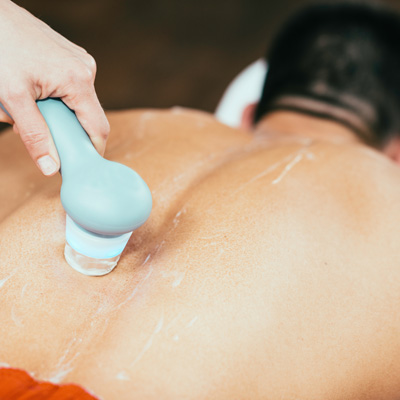
What is SoftWave therapy? In simple terms, it’s an advanced treatment that uses unfocused shockwave energy to trigger your body’s natural healing response. Unlike surgery or pharmaceutical interventions, this cutting-edge technology works with your body – not against it – to reduce pain and restore function.
Let’s break down everything you need to know about this revolutionary approach to healing.
Overview of SoftWave Therapy
The Science Behind the Technology
SoftWave Therapy emerged from decades of research into how mechanical energy affects tissue healing. The technology uses electrohydraulic-generated shockwaves that penetrate deep into injured tissues without causing damage to surrounding areas.
Traditional focused shockwave therapies target a narrow, specific point. SoftWave, on the other hand, uses broad-focused shockwave technology that covers a larger treatment area. Think of it like comparing a laser pointer to a flashlight – one pinpoints, the other spreads coverage.
How It Differs From Other Treatments
While you might have heard of ESWT (Extracorporeal Shockwave Therapy), SoftWave takes things further. Traditional shockwave devices can sometimes cause discomfort because of their intense focus. SoftWave’s broader energy distribution means more comfortable treatments with deeper tissue penetration.
It’s also worlds apart from regenerative injection therapies like PRP or stem cell treatments. Those require needles and biological materials. SoftWave? Completely non-invasive – no needles, no injections, no downtime.
Clinical Credibility
Research published by Schmitz et al. in the Journal of Orthopaedic Research demonstrates that unfocused shockwave therapy significantly improves tissue regeneration and pain outcomes. Studies show up to 91% patient satisfaction rates for chronic musculoskeletal conditions – numbers that speak for themselves.
Conditions Treated with SoftWave Therapy
The versatility of SoftWave Therapy for musculoskeletal pain is remarkable. We’re seeing breakthrough results across a wide spectrum of conditions.
- Back pain – Both acute flare-ups and chronic lower back issues
- Neck pain – From poor posture, whiplash, or degenerative changes
- Shoulder problems – Rotator cuff injuries, frozen shoulder, tendinitis
- Knee pain – Arthritis, meniscus injuries, runner’s knee
- Hip discomfort – Bursitis, arthritis, IT band syndrome
- Plantar fasciitis – That stabbing heel pain that ruins your mornings
- Tennis elbow and golfer’s elbow – Overuse injuries that linger for months
- Achilles tendinopathy – Chronic inflammation and pain in the heel cord
- Arthritis – Reducing inflammation and improving joint mobility
Sports Injuries and Post-Op Recovery
Athletes love SoftWave because it accelerates healing without sidelining them for weeks. From muscle strains to ligament sprains, SoftWave Therapy for sports injuries gets competitors back in action faster.
Post-surgical patients also benefit tremendously. After procedures like ACL reconstruction or rotator cuff repair, SoftWave enhances tissue healing and reduces scar tissue formation.
How Does SoftWave Therapy Work?
Let’s get into the nuts and bolts of why this therapy delivers such impressive results. Understanding the mechanism helps you appreciate just how powerful SoftWave Therapy for pain relief can be.
The Healing Mechanism
When shockwaves pass through damaged tissue, they create controlled microtrauma. Now, before you worry – this isn’t harmful. Instead, it tricks your body into initiating a powerful healing response.
Here’s the cascade of benefits:
- Increased blood flow – New blood vessel formation (angiogenesis) brings oxygen and nutrients to starved tissues
- Reduced inflammation – Shockwaves break up inflammatory mediators and calcifications
- Stem cell activation – Your body’s natural repair cells migrate to the treatment area
- Pain reduction – Hyperstimulation of nerve endings disrupts pain signals
Drug-Free Alternative
This is huge for patients tired of medication side effects or those avoiding surgical risks. SoftWave Therapy offers a third path – one that’s completely non-invasive and works by amplifying your body’s innate healing capabilities.
No pills. No scalpels. Just pure mechanical energy that tells your cells, “Time to heal”.
Benefits of SoftWave Therapy
Immediate and Long-Term Relief
Many patients report noticeable improvement after their first session. While complete healing takes time, that initial reduction in pain and increased mobility is incredibly encouraging.
Key benefits include:
- Rapid pain reduction – Often within 24-48 hours post-treatment
- Accelerated tissue healing – Tendons, ligaments, and muscles repair faster
- Improved range of motion – Joints move more freely as inflammation decreases
- Enhanced athletic performance – Athletes return to peak condition sooner
Safe and Non-Invasive
Here’s something we always emphasize: SoftWave Therapy benefits extend beyond just effectiveness – safety matters too. There are no surgical risks, no infection concerns, no anesthesia complications.
Compare that to invasive procedures. Surgery means incisions, potential infections, lengthy recovery periods, and sometimes disappointing outcomes. SoftWave? You walk in, get treated, and walk out. Most patients return to normal activities immediately.
When Other Treatments Fail
Perhaps the most compelling aspect is SoftWave’s success rate with stubborn conditions. A study by Gerdesmeyer et al. in the American Journal of Sports Medicine found that 70% of patients who failed conservative treatment responded positively to shockwave therapy.
If you’ve already tried everything else, SoftWave might be the breakthrough you’ve been searching for.
Minimal Recovery Time
Unlike surgery requiring weeks or months of rehabilitation, SoftWave sessions last about 10-15 minutes with zero downtime. Some patients experience mild soreness for a day or two – that’s it.
Most people need 6-8 sessions spaced a week apart, though your specific protocol depends on your condition’s severity and chronicity.
What to Expect During a SoftWave Therapy Session
Curious about the actual experience? Let’s walk through a typical appointment at our practice.
Before Your Session
No special preparation needed. Wear comfortable clothing that allows access to the treatment area. If we’re treating your knee, shorts work great. Back pain? A loose shirt.
We’ll review your medical history and conduct a brief assessment to identify exactly where to focus the shockwave energy.
The Treatment Process
Step by step, here’s what happens:
- Positioning – You’ll sit or lie comfortably while we apply ultrasound gel to your skin
- Device application – The SoftWave handpiece glides over the treatment area
- Energy delivery – You’ll feel pulsing sensations – some describe it as a deep massage or rhythmic tapping
- Duration – Most sessions last 10-15 minutes per area
What It Feels Like
Honest answer? Sensations vary by person and pain tolerance. Most patients find it completely manageable – maybe a 3-4 out of 10 on the discomfort scale. As a chiropractor in Mt. Juliet, TN, we’ve treated hundreds of patients with SoftWave, and the overwhelming majority describe it as “totally bearable” or even “strangely satisfying.”
The deeper the pathology, the more intense the sensation initially. But here’s the good news: as tissues heal, treatments become more comfortable.
After Your Session
You can immediately resume normal activities. We recommend staying well-hydrated and avoiding intense exercise for 24 hours to maximize healing.
Some patients experience temporary soreness, mild bruising or increased pain for 24-48 hours. This is actually a positive sign – your body’s healing response kicking into gear.
Safety, Side Effects, and Precautions
Non-surgical pain relief through SoftWave is remarkably safe, but let’s address potential concerns head-on.
Common Side Effects
Most are mild and temporary:
- Light redness or bruising at the treatment site
- Temporary soreness (usually resolves within 24-48 hours)
- Slight swelling
These actually indicate your body’s healing response is activating – exactly what we want.
Who Should Avoid SoftWave
While safe for most people, certain conditions require caution:
- Pregnancy
- Active cancer in the treatment area
- Blood clotting disorders
- Pacemakers near the treatment site
- Open wounds or infections
Device Reliability
SoftWave devices undergo rigorous testing and meet strict FDA guidelines. The technology has been used successfully worldwide for over a decade with an excellent safety profile documented by Hausdorf et al. in Rheumatology International.
Takeaways
So, What is SoftWave Therapy? It’s a scientifically-backed, non-invasive treatment that harnesses your body’s natural healing power through advanced shockwave technology.
Whether you’re an athlete pushing through an injury, someone battling chronic pain, or recovering from surgery, SoftWave Therapy benefits could transform your healing journey.
If chronic pain has been holding you back, it’s time to explore SoftWave Therapy for pain relief. At Tinker Family Chiropractic, we’re passionate about helping patients find lasting solutions – not just temporary Band-Aids.
Our advanced shockwave treatment for joints and soft tissues has helped countless patients reclaim their lives from pain. Whether it’s getting back to the golf course, playing with your grandkids, or simply sleeping through the night, we’re here to make it happen.
Schedule your SoftWave consultation today and discover what pain-free living feels like.
FAQ
Does SoftWave Therapy hurt?
Most patients describe it as tolerable discomfort, similar to a deep tissue massage. The sensation decreases as healing progresses. We adjust intensity based on your comfort level.
How long until I see results?
Many patients notice improvement within 24-48 hours. However, complete healing develops over weeks as your body regenerates damaged tissues. Cumulative benefits increase with each session.
How many sessions are needed?
Typically 6-8 sessions for chronic conditions, though acute injuries may respond in 3-6 treatments. We customize protocols based on your specific condition and response.
Can SoftWave Therapy replace surgery?
For many conditions, yes. Research shows success rates comparable to surgical outcomes for issues like plantar fasciitis and tennis elbow – without surgical risks. However, some severe cases still require surgery.