Conditions:
Pregnancy-Related Pain
Mt. Juliet, TN
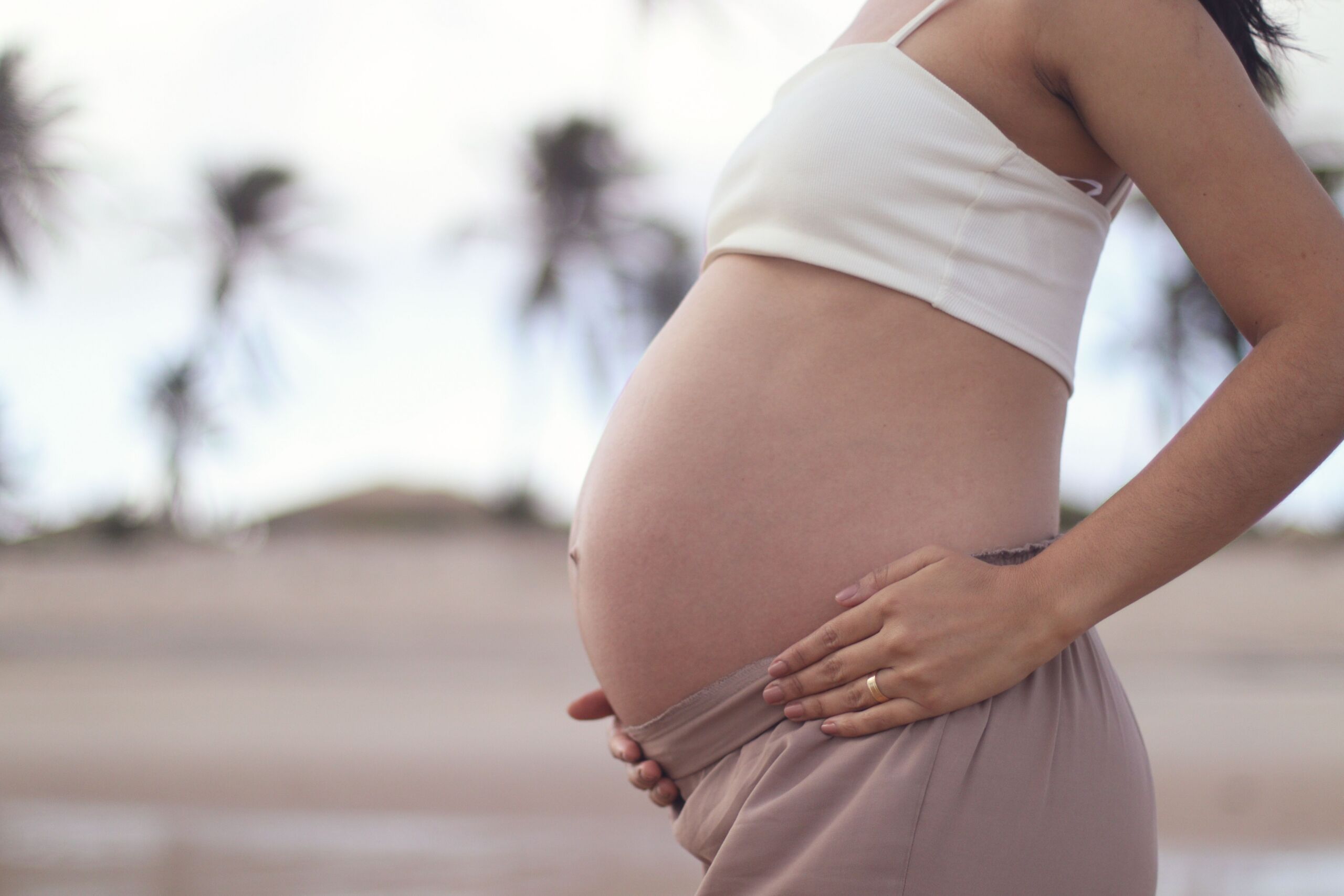
Back, pelvic, hip or leg pain can make it harder to walk, sleep, work and manage everyday activities during pregnancy.
As your body changes to support your growing baby, your muscles and joints take on new demands. A chiropractic evaluation can help determine whether posture, movement, muscle tension, or other musculoskeletal factors may be contributing to your pain.
Common Types of Pregnancy-Related Musculoskeletal Pain
Pregnancy-related musculoskeletal pain can affect more than one area at the same time. Symptoms vary from person to person, but the following types of pain are often connected to changes in how the body carries weight, maintains posture and moves during pregnancy.
1. Back Pain During Pregnancy
Back pain during pregnancy often affects the lower back and may feel like a dull ache, muscle tightness or stiffness. The pain may be in the center of the back or more noticeable on one side.
Symptoms may increase after sitting, standing or walking for a long time. Bending, lifting, changing positions or turning over in bed may also make the pain worse. Ongoing back pain can interfere with sleep, work and daily activities.
2. Pelvic Girdle and SI Joint Pain
Pelvic girdle pain may be felt at the back of the pelvis, near one or both sacroiliac or SI-joints, where the spine and pelvis meet. The pain may feel very low in the back and sometimes spread into the buttocks or upper thighs.
Walking, climbing stairs, standing on one leg or turning over in bed may make the pain more noticeable. Activities that place more weight on one side of the body may also increase pelvic or SI joint discomfort.
3. Hip and Buttock Pain
Hip pain during pregnancy may be felt on the outside or back of the hip or deep within the buttock. It may affect one side or move between both sides.
Lying on one side, standing for a long time, walking or shifting your weight onto one leg may increase the pain. Hip and buttock pain may also occur alongside lower-back or pelvic pain.
4. Pubic Bone and Groin Pain
Pubic bone pain is usually felt at the front and center of the pelvis. Some people also feel discomfort spreading into the groin or inner thighs.
The pain may become more noticeable when climbing stairs, taking long steps, standing on one leg to get dressed or getting in and out of a car. Turning over in bed or moving the legs apart may also be uncomfortable. These symptoms may be part of pregnancy-related pelvic girdle pain.
5. Sciatica-Like Pain
Sciatica-like pain often begins in the lower back or buttock and travels down the back or outside of the leg. It may feel sharp, burning, tingling or numb.
Symptoms may increase after sitting, standing or walking for a certain amount of time. However, not all leg pain during pregnancy is caused by the sciatic nerve. The location, pattern, and activities that change the symptoms should be evaluated before the cause is determined.
6. Mid-Back and Rib Discomfort
Mid-back and rib discomfort may develop as posture and weight distribution change. You may feel tightness between the shoulder blades, pain on one side of the mid-back or discomfort around the rib cage.
Sitting for long periods, leaning forward, sleeping in one position or twisting may make the symptoms more noticeable. Changes in posture and sleeping position may also contribute to neck and shoulder tension.
$69
Exam + X-Rays
Once you qualify for care, the doctor will go over the next steps, and any cost associated with care before moving forward.
or Call

Why Can Pregnancy Cause More Musculoskeletal Pain?
As pregnancy progresses, a growing belly shifts the body’s center of gravity. Your body may adjust how it stands, walks, sits, sleeps and performs familiar activities.
Factors that may contribute to pregnancy-related musculoskeletal pain include:
- Increased strain on the back, hips and pelvis
- Abdominal muscles stretching and supporting the body differently
- Changes in standing, sitting, and walking posture
- Changes in sleeping position and how you turn over
- Pregnancy-related hormonal changes that may affect connective tissues
- A history of back pain, pelvic pain, or previous injury
- Work or activities that repeatedly place stress on the body
Pain does not necessarily mean that the spine or pelvis is “out of alignment”. In many cases, several factors influence how the body carries weight, maintains balance and moves.
How May Chiropractic Care Support Pregnancy-Related Pain?
Chiropractic care does not treat pregnancy itself or every cause of pain during pregnancy. Its role is to evaluate musculoskeletal factors that may be connected to your symptoms.
An evaluation may consider:
- The location, severity, and pattern of your pain
- Movement of the spine, hips and pelvis
- Positions or activities that increase your symptoms
- Muscle tension and mobility
- How pain affects your sleep and daily activities
When chiropractic care for pregnancy is appropriate, it can be adapted to your body, comfort level and stage of pregnancy. Care may aim to support mobility, reduce musculoskeletal tension and help you move more comfortably.
At Tinker Family Chiropractic, we can evaluate whether posture, movement, muscle tension or other musculoskeletal factors may be contributing to your symptoms. We can then help you determine whether chiropractic care may be an appropriate next step.


Why Choose Tinker Family Chiropractic
in Mt. Juliet, TN?
Frequently Asked Questions
Conditions
At Tinker Family Chiropractic – your trusted chiropractor in Mt. Juliet, we know every patient faces unique conditions and challenges. That’s why we go beyond basic care, focusing on understanding your needs and delivering personalized chiropractic solutions that truly make a difference.
